Unraveling the historical journey of gambling from ancient rituals to modern gaming
The Origins of Gambling in Ancient Cultures
The history of gambling traces back thousands of years, beginning with ancient civilizations that engaged in various forms of chance-based activities. Early records indicate that the Chinese were among the first to create games of chance, with references to gambling appearing around 2300 BC. These primitive forms often revolved around dice and rudimentary betting methods, reflecting the human fascination with luck and fortune; this is somewhat paralleled by the popularity of online casinos in contemporary society.

Similarly, in ancient Mesopotamia, clay tablets dating back to 3000 BC depict the use of dice, indicating that people engaged in gambling as both entertainment and a means to make decisions. The practices were often intertwined with rituals and beliefs, showcasing how deeply embedded gambling was in their cultures.
The Evolution Through the Ages
As civilizations evolved, so did the complexity of gambling practices. The Greeks and Romans embraced betting, integrating it into their social fabric. The Roman Empire, for instance, established elaborate betting systems for chariot races and gladiatorial contests, elevating gambling to a new level of societal engagement. The popularity of these activities reflected both the human desire for excitement and the social dynamics of the time.
During the Middle Ages, gambling became associated with nobility, leading to the creation of card games that would eventually evolve into the modern games we know today. The introduction of playing cards in Europe brought a new dimension to gambling, giving rise to games that required strategy in addition to luck, thereby broadening the appeal of gambling across different social classes.
The Rise of Casinos and Legalization
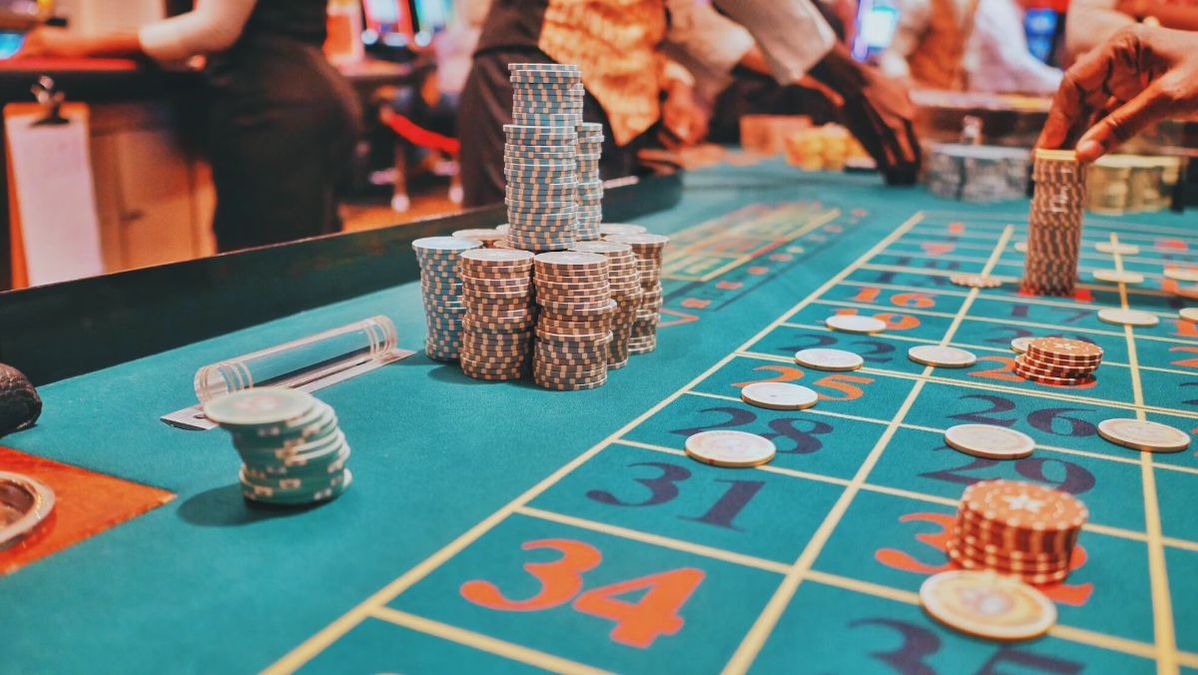
The establishment of the first casinos in the 17th century marked a significant turning point in the history of gambling. The Casino di Venezia in Italy, opened in 1638, is often recognized as the first official casino, setting the stage for the development of gambling establishments across Europe. This era saw the emergence of games like roulette, which quickly became synonymous with casino culture.
As societies progressed into the modern age, the legalization of gambling in various countries transformed it into a regulated industry. Governments recognized the potential revenue from taxes on gambling operations, leading to a proliferation of casinos in locations such as Las Vegas and Macau. This shift not only enhanced the legitimacy of gambling but also solidified its role as a global entertainment industry.
The Digital Transformation of Gambling
The advent of the internet in the late 20th century revolutionized gambling, allowing it to reach audiences worldwide. Online casinos began to emerge, offering players the convenience of gambling from their homes. This digital transformation has led to an exponential increase in the popularity of online gaming, with platforms providing a wide variety of games to suit all preferences.
Moreover, advancements in technology have introduced innovations like mobile gaming and live dealer experiences, further blurring the lines between traditional and modern gambling. This transition has not only broadened access but also diversified the demographic of players, making gambling more inclusive than ever before.
Ensuring a Safe and Secure Gambling Environment
As the gambling landscape continues to evolve, so does the need for ensuring a safe and secure environment for players. This is where dedicated platforms such as Bot Verification come into play, enhancing user experiences by protecting against automated activities and ensuring genuine interactions. Such measures are vital in maintaining the integrity of online gaming.
These security advancements contribute to a safer online gambling environment, allowing players to engage with peace of mind. By prioritizing user protection, the gambling industry can continue to thrive and innovate while safeguarding the interests of its players, thus ensuring its longevity in the ever-changing landscape of entertainment.